PDF herunterladen
My aim during the fellowship will be to analyze therapeutic strategies, the way they work, the goal they pursue, and the theoretical assumptions on which they rely. On this basis, I will seek to identify and overcome theoretical limitations, as well as to open new directions for cancer treatment.
Recommended Reading
Laplane, Lucie (2016). Cancer Stem Cells: Philosophy and Therapies. Harvard University Press.
Laplane, Lucie, Paolo Mantovani, Ralph Adolphs, et al. (2019). “Why Science Needs Philosophy.” Proceedings of the National Academy of Sciences 116 (10): 3948–3952. https://doi.org/10.1073/pnas.1900357116.
Laplane, Lucie, and Carlo C. Maley (2024). “The Evolutionary Theory of Cancer: Challenges and Potential Solutions.” Nature Reviews Cancer 24: 718–733. https://doi.org/10.1038/s41568-024-00734-2.
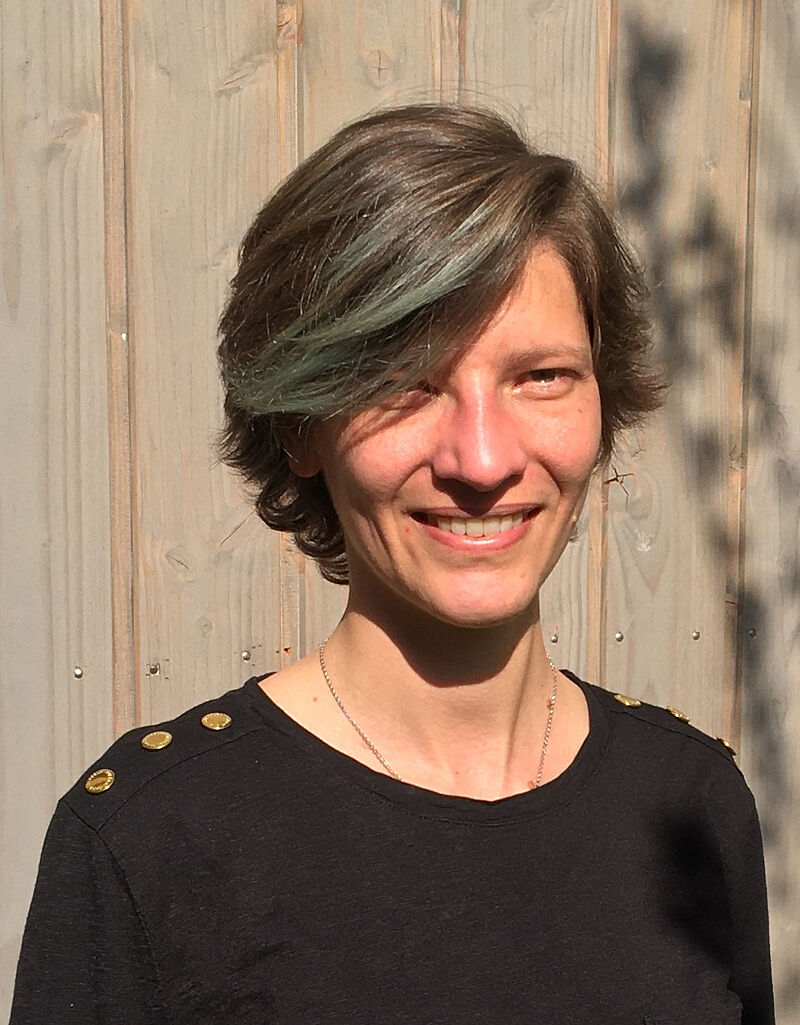
© privat
2026/2027
Lucie Laplane, Dr.
Permanent Researcher in Philosophy of Science
Institute of History and Philosophy of Science and Technology, Centre national de la recherche scientifique/Université Paris 1 Panthéon-Sorbonne
Born in 1984 in Paris
Master 2 in Cellular and Molecular Biology, Sorbonne University UPMC, Dr. in Philosophy of Science, University Paris Nanterre
Arbeitsvorhaben
Rethinking Cancer Treatment
Despite clear improvements, cancer remains a difficult disease to treat. Treatments are often unsatisfactory, either for their lack of efficacy, or for the limited duration of their efficacy, and all too often for their toxicity and impact on patients’ quality of life. One of the imperatives of oncology is therefore to understand what generates these limitations and how to overcome them. To this end, several theoretical models have been put forward: clonal selection, cancer stem cell resistance, cellular plasticity, and immune escape, for example. These theories play a central role in oncology. Not only are they mobilized to “explain” cancers and their ability to resist treatment, but they are also the mainstays of therapeutic innovation. The way we conceive of the biological functioning of cancer contributes to determine the ways we conceive of its treatment. For example, somatic mutation theory underpins the development of targeted therapies. This pivotal role of cancer conceptualizations shows the importance of ensuring their quality.My aim during the fellowship will be to analyze therapeutic strategies, the way they work, the goal they pursue, and the theoretical assumptions on which they rely. On this basis, I will seek to identify and overcome theoretical limitations, as well as to open new directions for cancer treatment.
Recommended Reading
Laplane, Lucie (2016). Cancer Stem Cells: Philosophy and Therapies. Harvard University Press.
Laplane, Lucie, Paolo Mantovani, Ralph Adolphs, et al. (2019). “Why Science Needs Philosophy.” Proceedings of the National Academy of Sciences 116 (10): 3948–3952. https://doi.org/10.1073/pnas.1900357116.
Laplane, Lucie, and Carlo C. Maley (2024). “The Evolutionary Theory of Cancer: Challenges and Potential Solutions.” Nature Reviews Cancer 24: 718–733. https://doi.org/10.1038/s41568-024-00734-2.