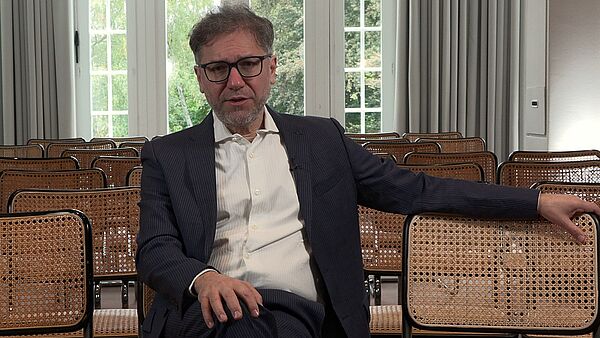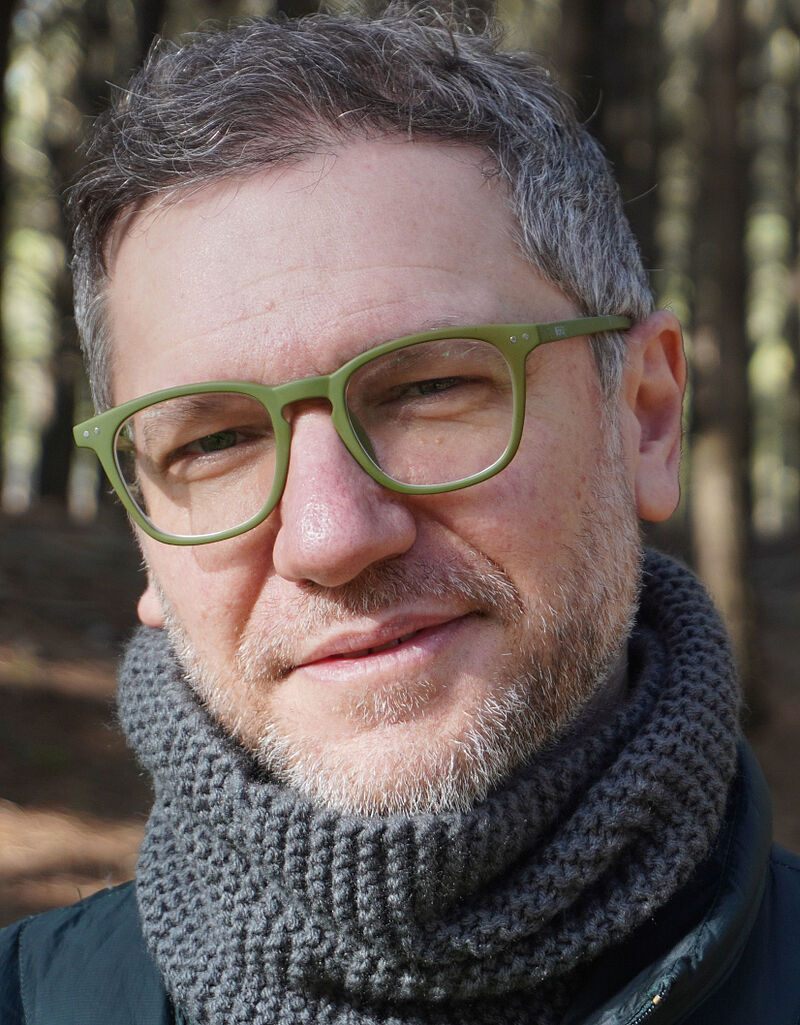
Sebastián Carassai, PhD
Professor of History
Universidad de Buenos Aires
CONICET
Born in 1972 in Bell Ville, Córdoba, Argentina
BA in Sociology, University of Buenos Aires, MA in Economic Sociology, Universidad Nacional de General San Martín, PhD in History, Indiana University
Arbeitsvorhaben
Things that Happened in the Meantime. Argentine History from a Microhistorical Perspective (1966–1983)
This project investigates five significant events that took place in Argentina between the military coup of 1966 and the return to democracy in 1983. Through the lens of microhistory, it seeks to uncover overlooked aspects of those turbulent decades, shedding light on everyday life to deepen our understanding of the recent past—not only in Argentina but also in other countries that experienced similar historical processes. The project also aims to contribute to theoretical and methodological debates in historical studies by critically examining the potentials and limits of microhistorical analysis.The selected events are: the commemoration of the 150th anniversary of independence in Tucumán on July 9, 1966; the confrontation between thirty slum priests and a bishop in several towns of Santa Fe province in April 1969; the response of a Jewish community in Buenos Aires to its rabbi’s commitment to denouncing human rights violations in 1977; the Corrientes carnival during the last military regime, examined through an accident suffered by one of its emblematic troupes in 1978; and the actions of ordinary people in a village of 5,000 inhabitants when the Argentine military decided to occupy the Falkland/Malvinas Islands in 1982.
These events share four common characteristics: They serve as specific vantage points from which to address broader issues; they have been largely overlooked by other studies; four of them took place far from major urban centers; and all are approached from a microhistorical perspective, involving a detailed analysis of the actors involved.
The collective result is revealing. The conclusions drawn from microhistorical analysis sometimes complement our existing knowledge, but more often they qualify or even contradict it, casting new light on Argentina’s recent history as well as on broader questions that transcend this national case.
Recommended Reading
Carassai, Sebastián (2014). The Argentine Silent Majority: Middle Classes, Politics, Violence, and Memory in the Seventies. Duke University Press.
– (2026). Beyond the War: Argentines and Islanders in an Unknown Falklands. Cambridge University Press.
Carassai, Sebastián, and Kevin Coleman (2025). Coups d’État in Cold War Latin America, 1964–1982. Cambridge University Press.
Publikationen aus der Fellowbibliothek
Carassai, Sebastián (Cambridge, United Kingdom, 2026)
Beyond the war : Argentines and islanders in an unknown Falklands Argentines and islanders in an unknown Falklands
Carassai, Sebastián (Cambridge, 2025)
Coups d'État in Cold War Latin America, 1964-1982
Carassai, Sebastián (Durham, 2014)
The Argentine silent majority : middle classes, politics, violence, and memory in the seventies