• Institute
    • Leadership
    • Committees
      • Academic Advisory Board
        • Members' List since 1981
      • Board of Trustees
      • Members' Assembly
    • Contact Persons
    • The Kolleg
      • History
        • History of the Institute
          • History of the Kolleg
        • History of the Buildings and Gardens
          • Hauptgebäude
            • Excursus - Villa Linde's Grounds
          • Weiße Villa
          • Neubau
          • Villa Jaffé
          • Villa Walther
        • History of the Signet
      • Funding & Charters
        • Foundation Deed of the Ernst Reuter Foundation for Advanced Study
        • Charter of the Wissenschaftskolleg
      • Donors & Friends
    • Initiatives & Cooperations
      • College for Life Sciences
      • Blankensee-Colloquia
      • Anna Krüger Foundation
      • Some Institutes for Advanced Study (SIAS)
      • Support for Ukraine
      • VUIAS
        • Bilder der Eröffnungsfeier
      • Elkana Fellowships
    • Library
      • Ordering and Borrowing
      • Research
        • Catalogs
        • Specialised Information Services (Fachinformationsdienste)
        • Archives
      • Books & Music on-site
      • Questions?
  • Fellows
    • Fellow Finder
    • Fellows 2025/2026
    • Permanent Fellows
      • Former Permanent Fellows
    • Alumni
      • Fellows' Club
        • Club
          • History
        • Membership
        • Archive
          • Newsletter
            • March 2025
            • February 2024
            • February 2023
            • March 2022
            • February 2021
            • March 2020
            • March 2019
            • March 2018
            • March 2017
            • June 2016
            • June 2015
            • December 2014
            • May 2014
            • November 2013
      • Fellow Forum
  • Events
    • Calendar of Events
    • Workshops
    • Series of Events
      • Lecture Recitals
      • Zur Zeit
      • Observatorium
      • Ernst Mayr Lecture
    • Three Cultures Forum
  • Wikotheque
    • Wiko Shorts
    • Lectures & Keynotes
    • Features
    • Köpfe und Ideen
    • Projects
    • Yearbook
    • Zeitschrift für Ideengeschichte
  • Becoming a Fellow
    • Fellowship Applications
      • Preconditions
      • Selection Criteria
      • Selection Procedure
      • FAQ
    • Wiko Early Career Calls
      • Early Career Call Humanities and Social Sciences
        • Application and Selection
        • Eligibility
        • FAQ
      • Early Career Call Life and Natural Sciences
        • Program
        • Application
        • Fellows
        • Scientific Committee
        • FAQ
    • Living and Working
      • Financial Arrangements
      • Housing
      • Academic Life
      • Services
      • Services for Partners and Families
image/svg+xml
DeutschEnglish
 Login


MENU

  • Institute
  • Fellows
  • Events
  • Wikotheque
  • Becoming a Fellow

  • Fellowship Applications
  • Wiko Early Career Calls
  • Living and Working

Focus Group 2018/2019

Syngenomik: Evolution – von Konflikt zu Kooperation zu Mutualismus

Mutualistische Symbiosen sind die Grundlage für Zellen mit einem Zellkern. Wir wissen heute, dass fast jede Pflanzen- und Tierart von mutualistischen Interaktionen abhängig ist, um zu überleben und sich fortzupflanzen. Mutualis­men und ökologische Interaktionen zwischen Arten, die sich so verhalten, über­schreiten die Grenzen der gewohnten Organisationshierarchie in der Bio­logie – von Zellen hin zu Individuen, weiter zu Populationen und Gemein­schaften. Im Mutualismus verbinden sich die evolutionären Wege von Arten unterschiedli­cher Ebenen der Hierarchie. Obligate Mutualis­men sind mehr als eine An­häufung von Arten oder Artengemeinschaften, denn das Überleben und die Fortpflanzung jeder Art, die ein Teil eines Mutu­alismus ist, hängt nicht von Genen in seinem eigenen Genom ab, sondern von Genen im Genom der jeweils anderen Art.

Die moderne Evolutionstheorie, die den Egoismus der Gene und geneti­sche Konflikte hervorhebt, ist für die Erforschung des Mutualismus schlecht gerüs­tet. Nach dieser Theorie ist Mutualismus instabil und geht wahrscheinlich in Ausbeutung über, da beide Seiten die jeweils andere über­vorteilen können, indem sie sich nicht an den Kosten beteiligen, aber den Nutzen mitnehmen. Dennoch gibt es viele Beispiele in zahlreichen Taxa, die für das Gegenteil spre­chen – nämlich dass parasitäre Arten zusammen mit ihren Wirten Mutualis­men entwickeln können. Dagegen gibt es, wenn über­haupt, nur wenige Bei­spiele dafür, dass sich eine mutualistische Interaktion zu einer rein ausbeuteri­schen Beziehung entwickelt. Diesen Widerspruch zwischen der theoretischen Prognose und der Beobachtung der Natur wird die Schwerpunktgruppe unter­suchen.

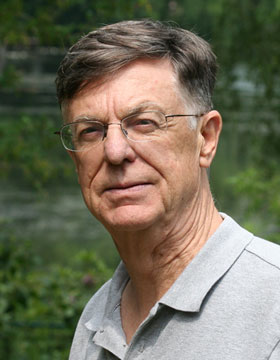
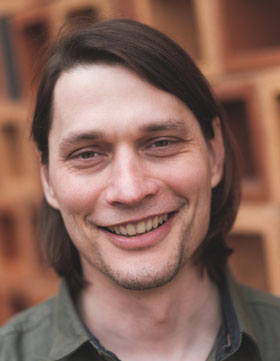
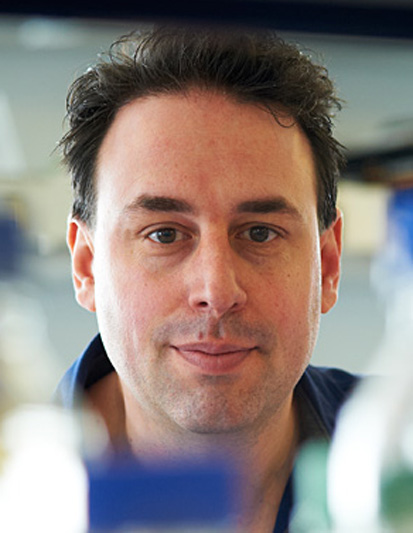
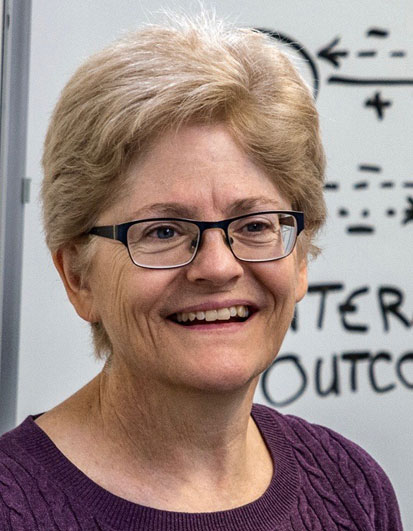
Mitglieder der Schwerpunktgruppe sind: Judith Bronstein, Timothy A. Linksvayer, Michael J. Wade (Convener) und Jason B. Wolf.

Michael J. Wade

  • Syngenomics: Evolution − from Conflict to Cooperation to Mutualism
  • The Major Evolutionary Transitions in Organismality

Conveners

1819wade.jpg

2018/2019

Michael J. Wade

Distinguished Professor of Biology

more

Members

1819linksvayer.jpg

2018/2019

Timothy A. Linksvayer

Associate Professor of Biology

more

1819wolf.jpg

2018/2019

Jason B. Wolf

Professor of Evolutionary Genetics

more

1819bronstein.jpg

2018/2019

Judith Bronstein

University Distinguished Professor of Ecology and Evolutionary Biology

more

Institute for Advanced Study

  • Press Releases
  • Contact Persons
  • Contact
  • Vacancies
  • Legal Notice
  • Privacy
  • Sitemap

Institute

  • Leadership
  • Committees
  • Contact Persons
  • The Kolleg
  • Initiatives & Cooperations
  • Library

Fellows

  • Fellow Finder
  • Fellows 2025/2026
  • Permanent Fellows
  • Alumni

Events

  • Calendar of Events
  • Workshops
  • Series of Events
  • Three Cultures Forum

Wikotheque

  • Wiko Shorts
  • Lectures & Keynotes
  • Features
  • Köpfe und Ideen
  • Projects
  • Yearbook
  • Zeitschrift für Ideengeschichte

Becoming a Fellow

  • Fellowship Applications
  • Wiko Early Career Calls
  • Living and Working