
• Institute
    • Leadership
    • Committees
      • Academic Advisory Board
        • Members' List since 1981
      • Board of Trustees
      • Members' Assembly
    • Contact Persons
    • The Kolleg
      • History
        • History of the Institute
          • History of the Kolleg
        • History of the Buildings and Gardens
          • Hauptgebäude
            • Excursus - Villa Linde's Grounds
          • Weiße Villa
          • Neubau
          • Villa Jaffé
          • Villa Walther
        • History of the Signet
      • Funding & Charters
        • Foundation Deed of the Ernst Reuter Foundation for Advanced Study
        • Charter of the Wissenschaftskolleg
      • Donors & Friends
    • Initiatives & Cooperations
      • College for Life Sciences
      • Blankensee-Colloquia
      • Anna Krüger Foundation
      • Some Institutes for Advanced Study (SIAS)
      • Support for Ukraine
      • VUIAS
        • Bilder der Eröffnungsfeier
      • Elkana Fellowships
    • Library
      • Ordering and Borrowing
      • Research
        • Catalogs
        • Specialised Information Services (Fachinformationsdienste)
        • Archives
      • Books & Music on-site
      • Questions?
  • Fellows
    • Fellow Finder
    • Fellows 2025/2026
    • Permanent Fellows
      • Former Permanent Fellows
    • Alumni
      • Fellows' Club
        • Club
          • History
        • Membership
        • Newsletter
          • March 2025
            • Editorial
            • Architecture of Survival: An Interview with Natalia Romik (Elkana Fellow 2024/2025)
            • “Definitions Are Not Ultimate Truths”
            • Further Videos in the Wikotheque
            • The School of Human Rights Association: Building an Egalitarian and Democratic Academia in Turkey
            • Academic Freedom on a Small Scale
            • Save the Date: Annual Meeting of the Fellows’ Club
            • Join the Fellows’ Club
            • Membership Fee and Donations
            • New Publications in the Fellows’ Library
            • Prizes
            • Obituaries
          • February 2024
            • Editorial
            • Feeding the World with Edible Insects
            • Schöner Leben
            • Further Videos in the Wikotheque
            • Conversation with a Left-Handed Hairdresser: The Cutting-Edge Sociology of Barbara Thériault (Fellow 2023/24)
            • Dishes that Raise Questions: Interview with chef de cuisine Sonja Frühsammer
            • Round and round the Grunewald Lake: Five Years of Wicked Wiko Runners
            • Save the Date – Meeting of the Fellows’ Club 2024
            • Join the Fellows’ Club
            • Membership Fee and Donations
            • New Publications in the Fellows’ Library
            • Prizes
            • Obituaries
          • February 2023
            • Editorial
            • History Teacher of the People
            • War and Peace. The Past and Future of Ukraine
            • Cold, Ashamed, Relieved: On Leaving Russia
            • Music of a Refugee
            • A Word from the Chairman
            • Save the dates – Meeting of the Fellows’ Club 2023
            • Join the Fellows’ Club
            • Membership Fee and Donations
            • New Publications in the Fellows’ Library
            • Prizes
            • Obituaries
          • March 2022
            • Editorial
            • Politics, Law, and Science in Times of the Pandemic
            • Pandemics: The Maths, the Masks, the Madness
            • Roni Taharlev: The Harbinger of Corona
            • Rachel Wheatley: Berlin with a Mask
            • A Word from the Chairman
            • Save the dates – Meeting of the Fellows’ Club 2022
            • Join the Fellows’ Club
            • Membership Fee and Donations
            • New Publications in the Fellows’ Library
            • Prizes
            • Obituaries
          • February 2021
            • Editorial
            • Between Eigenzeit and Interdisciplinarity
            • The Masked Kolleg Unmasked
            • Was war und zu welchem Ende studiert man Trumpismus?
            • When Computers Took Their First Steps
            • A Farewell to Sonja Grund
            • Angelika Leuchter
            • Blog Series on Academic Freedom
            • Save the dates – Meetings of the Fellows’ Club 2021 and 2022
            • New Publications in the Fellows’ Library
            • Prizes
            • Join the Fellows’ Club!
            • Obituaries
          • March 2020
            • Editorial
            • Constitution as Nonviolent Revolution
            • Imre Kertész und die europäische Literatur der Gegenwart
            • A Profound Sense of Loss
            • The Wissenschaftskolleg and the East: The New Europe College in Bucharest
            • Save the date - Meeting of the Fellows’ Club - Biodiversity: Conceptual Challenges in an Era of Rapid Change, June 11 and 12, 2020
            • New Publications in the Fellows’ Library
            • Prizes
            • Join the Fellows’ Club
            • Obituarium
          • March 2019
            • Editorial
            • Paintings for the Future
            • Landmark Papers Revisited
            • Working Futures
            • Society Benefits From Our Autonomy
            • Two Million Blossoms in a Jar
            • Save the Date - Meeting of the Fellows' Club: June 13-14, 2019
            • Lectures on Film
            • New Publications in the Fellows' Library
            • Prizes
            • Join the Fellows' Club
            • Obituaries
          • March 2018
            • Editorial
            • A Good Bet: Five Years of the College for Life Sciences
            • Lectures on Film: Lisa Herzog
            • Return to Gdańsk
            • Sign the Gdansk Petition
            • Lecture Series: "Recht und Digitalisierung"
            • The Future of the Humboldt Forum: An Epiphany
            • (Almost) A Lifer
            • Late Checkout
            • Save the Date - Fellowtreffen
            • Prizes
            • New Publications in the Fellows' Library
            • Obi­tu­a­ri­um
          • March 2017
            • Editorial
            • Luca Giuliani: Facets of Stephen
            • Berliner Abend 2017
            • Michael Jennions: Walking Berlin
            • Nostalgia
            • Prizes
          • June 2016
            • Editorial
            • Daniel M. Weary: Three days at Wiko to imagine a new world
            • Katharina Wiedemann: Travelling Lights
            • Wiliam Marx (fr)
            • Luc Steels: Grunewaldkirche, Bach, and Passions
            • Nostalgia
          • June 2015
            • Editorial
            • Adam S. Wilkins: Humanities and Natural Sciences
            • Rob Page: The Decline of the Humanities?
            • Alfons Söllner: From "Exilforschung" to "Emigrationsforschung"? A Journey in Memory.
            • Susan Rose-Ackerman and Bruce Ackerman: Wiko Then and Now: 1991-1992 and 2014-2015
            • Daniel Schönpflug: Ins Grüne
          • December 2014
            • Editorial
            • Sebastian Conrad: Global History
            • Sahotra Sarkar, Chris Margules: Biodiversity group at the Kolleg
            • Reinhart Meyer-Kalkus: On Uwe Pörksen: Camelot im Grunewald. Szenen aus dem intellektuellen Leben der achtziger Jahre
            • Meredith Reiches: "Literary studies and biology: The Shakespeare-Workshops at the Kolleg 2012 and 2013"
            • Simon Teuscher: Workshop: Perspectives on Actors in Social History
            • Gebhard Kirchgässner: Workshop “The Economic Model of Human Behaviour”
            • Gerald Wilkinson: Workshop “Mind the Gap: Closing the Gulf between Genomic and Phenotypic Studies of Sexual Selection”
            • Sonja Grund: News from the Fellows’ Club
          • May 2014
            • Editorial
            • Peter Reill: From the Wissenschaftskolleg zu Berlin to Wiko: Reflections on a Return after Twenty-Seven Years
            • Reinhart Meyer-Kalkus:Why artists are needed at research institutions
            • Martin Loughlin: Constitutions beyond the Nation-State
            • Franco Moretti: Invisible objects
            • Stefanie Rentsch: The Forum Transregionale Studien – its Mission and History
          • November 2013
            • Editorial
            • Jim Hunt: Ten Years in the Rearview Mirror
            • Thorsten Wilhelmy: My First Year at the Wissenschaftskolleg
            • Giovanni Frazzetto: The College for Life Sciences at the Wissenschaftskolleg
            • Reinhart Meyer-Kalkus: The Fellow Forum for Former Fellows
      • Fellow Forum
  • Events
    • Calendar of Events
    • Workshops
    • Series of Events
      • Lecture Recitals
      • Zur Zeit
      • Observatorium
      • Ernst Mayr Lecture
    • Three Cultures Forum
  • Wikotheque
    • Wiko Shorts
    • Lectures & Keynotes
    • Features
    • Köpfe und Ideen
    • Projects
    • Yearbook
    • Zeitschrift für Ideengeschichte
  • Becoming a Fellow
    • Fellowship Applications
      • Preconditions
      • Selection Criteria
      • Selection Procedure
      • FAQ
    • Wiko Early Career Calls
      • Early Career Call Humanities and Social Sciences
        • Application and Selection
        • Eligibility
        • FAQ
      • Early Career Call Life and Natural Sciences
        • Program
        • Application
        • Fellows
        • Scientific Committee
        • FAQ
    • Living and Working
      • Financial Arrangements
      • Housing
      • Academic Life
      • Services
      • Services for Partners and Families
image/svg+xml
DeutschEnglish
 Login


MENU

  • Institute
  • Fellows
  • Events
  • Wikotheque
  • Becoming a Fellow

  • Wiko Shorts
  • Lectures & Keynotes
  • Features
  • Köpfe und Ideen
  • Projects
  • Yearbook
  • Zeitschrift für Ideengeschichte

Köpfe und Ideen 2024

Issue 19 / May 2024

Letter from Berlin

Phantom Customers – Notes of a Hairdresser after a Lecture at the Wissenschaftskolleg

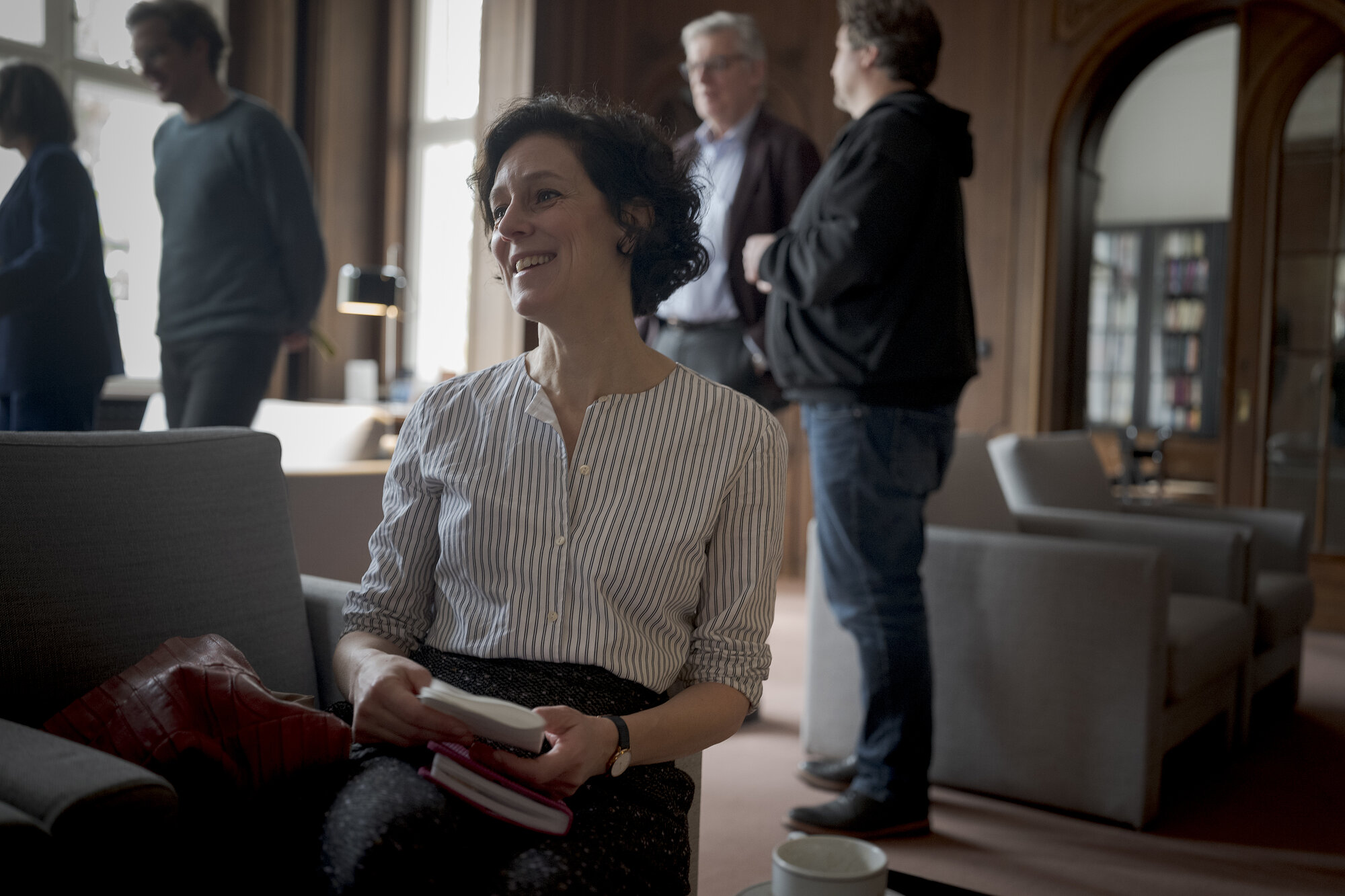
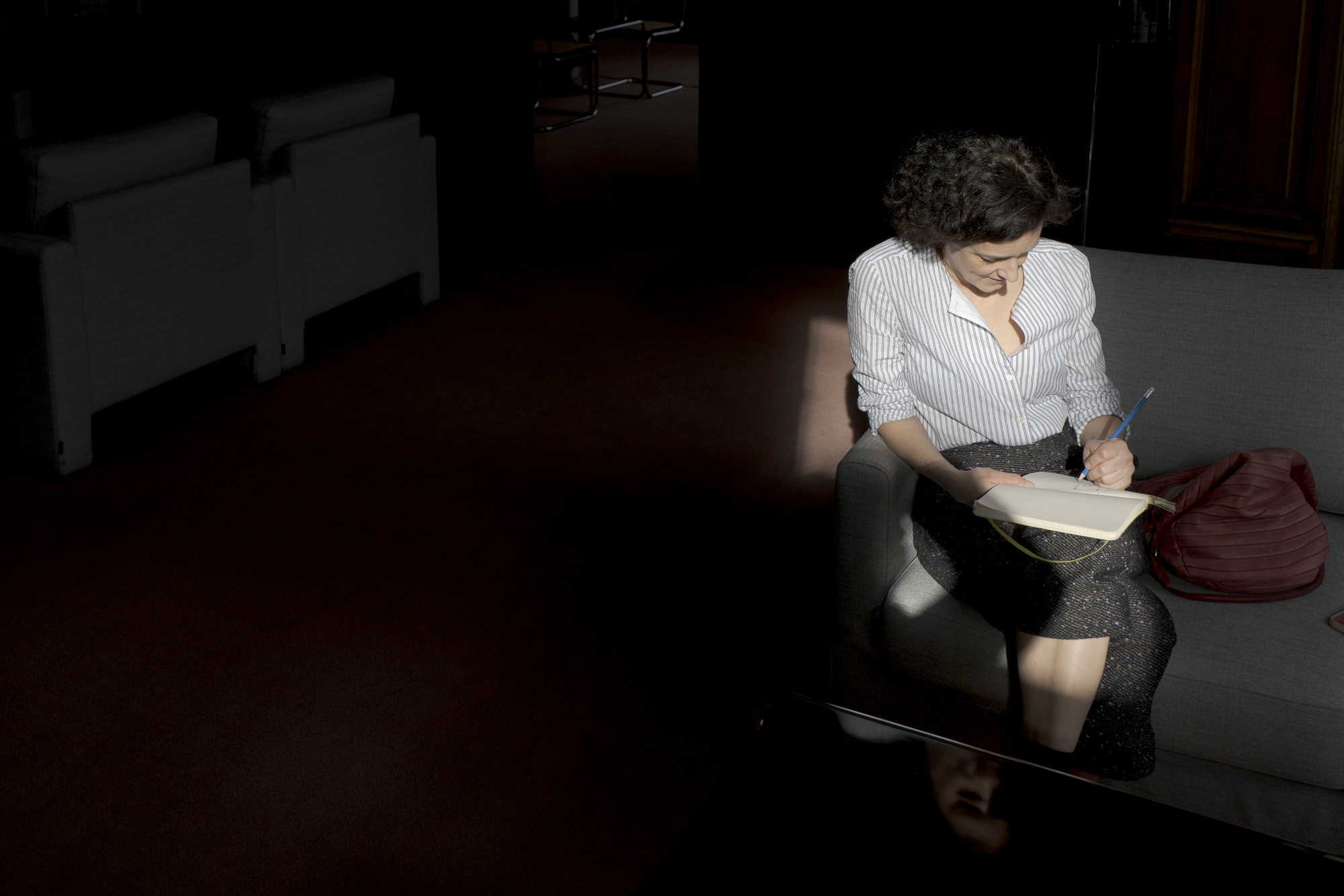
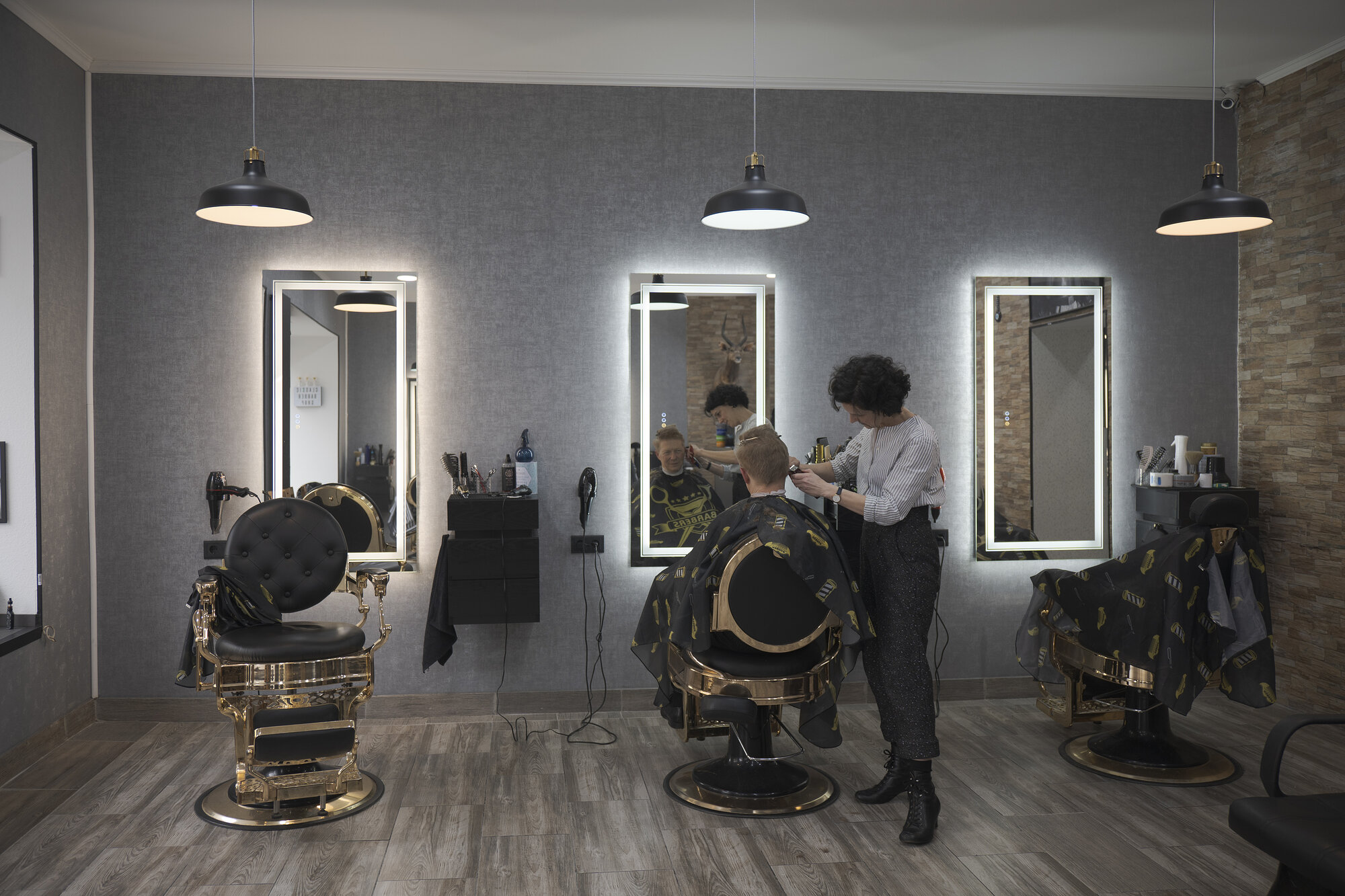
After several months of field research in the hair salons and barber shops of a German city, the author, who is both a sociologist and hairdresser, presented certain theses from her recently published book (Abenteuer einer linkshändigen Friseurin, edition überland, 2024) during her colloquium at the Wissenschaftskolleg zu Berlin. In her talk, among other things, she spoke of the unusual sociability and exuberant language that one commonly finds in hair salons. Then a bald man from the audience asked her a question that caused her some embarrassment. The question helped to point out a blind spot in her research: phantom customers. The following text is both a shout-out and a thank you to this man.

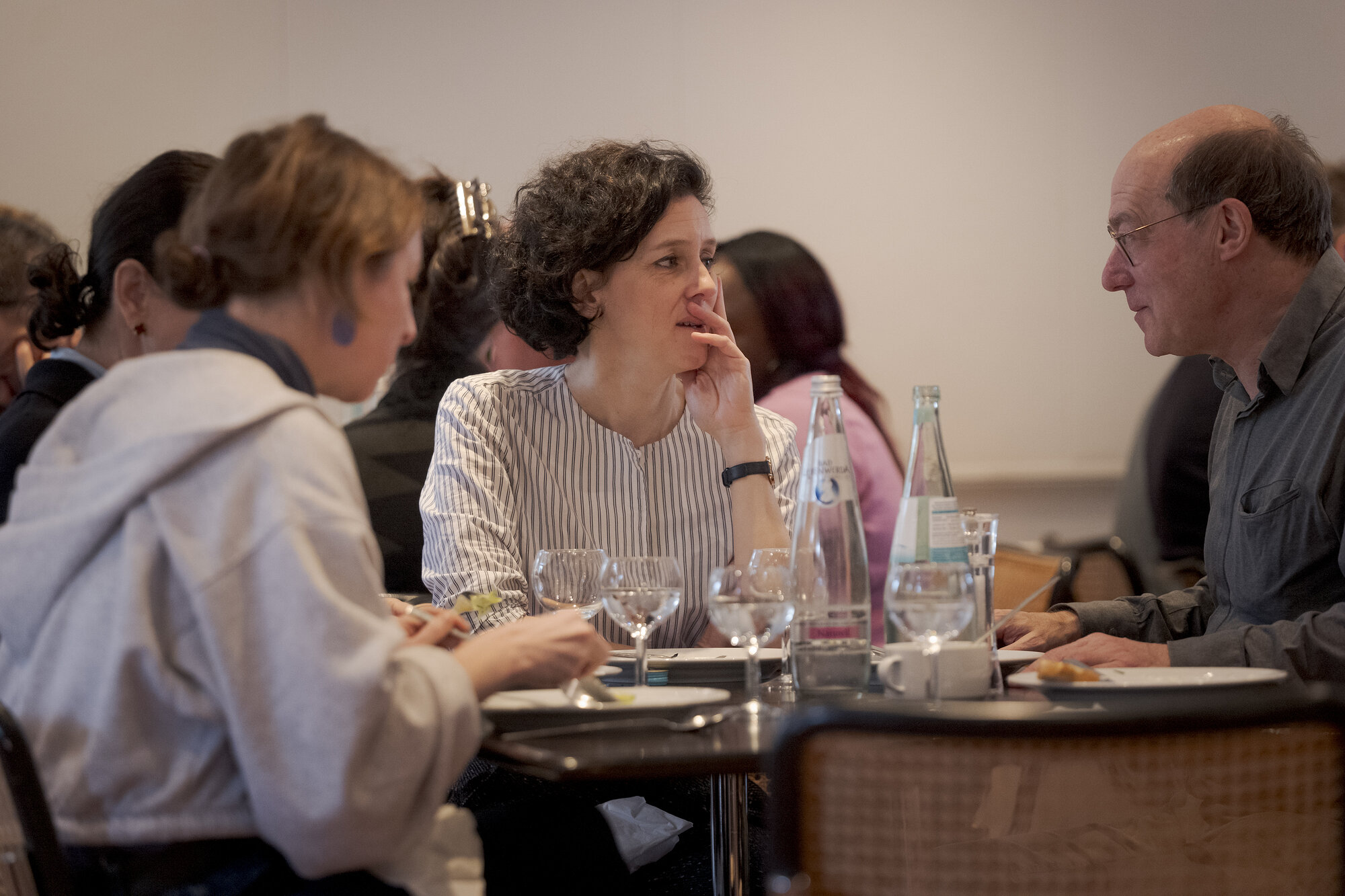
“Barbara, why should I read your book?” a philosopher seriously asked me after my lecture. “I’m bald!”

Of course my Co-Fellow needn’t read the book, but he did pose an important question. His shiny pate casts light, as it were, on a blind spot in the hairdressing world and in my research on hair salons and barber shops – namely the phantom customer. What about those who don’t need their hair cut or simply don’t want to or can’t? In the spirit of Susie Scott’s essay “A Sociology of Nothing: Understanding the Unmarked” (2018) we are in fact dealing here with the “sociology of nothing.” The goal of such sociology is to shed light on the unseen, recognizing the contours of a certain narrative in view of a certain omission. Although he’s no customer, this baldheaded Fellow is part of an invisible society whose shape I would like now to briefly sketch.

You won’t meet the phantom customer in hair salons or barber shops. They lack the hair, money, inclination or mind-set. If they do put in an appearance then it’s with reluctance and only on rare occasions; and if I have learned anything about them, then it’s merely because my existence as a hairdresser evokes certain memories – and so too in the case of Michael. He attended my aforementioned lecture and afterward he likely felt impelled to compose a long blog entry. His “haircut memories” provide information about his discomfort with hair salons. Above all he loathes the demonstrative sociability of these places, the typical small talk between strangers, and he dismisses their subject matter as silly and trivial: “I can’t stand being in a confined space with someone I don’t know and then having to fill the awkward silence with blather and babble.” As a natural scientist he prefers concrete content and fact-based purpose.

Other phantom customers express their displeasure in the language of neurodiversity. They underscore the absence of personal space, the close physical, almost intimate contact with strangers, and most of all the diverse sensory stimuli – the whirring of hairdryers, the beeping of cell phones, pop music from the loudspeakers, voices coming from every direction; the perfume of hair-care products, the pungent smell of perm chemicals, the glaring neon light.

And how do I recognize those hirsute people who will soon be ghosting me? By the fact that they come with freshly washed hair and leave with wet hair; by the fact that they start talking straightaway and have much to say and quickly exhaust each topic that they have prepared.

Another example of a future phantom customer: Dieter. He got his haircut because he wanted to support my project. That was nice. I felt a little bad about it – on the other hand, he badly needed a haircut. I draped the sheet over him and set to work. I quickly noticed that he was restive, fidgeting in the barber chair. I quickened the pace of my work; he didn’t grow any less impatient. Although he likely had sufficient time on his hands as a retiree, he was inconvenienced by having to sit still for so long. Visibly annoyed, he raised his hand as if wanting to drive off an invisible fly. The fly was my hand. That was probably his last visit.

The lecture at which the bald philosopher asked his question took place in a venue where individuals supposedly put scant effort into maintaining their outward appearance and where traditional dress codes don’t apply – a research institute. Other types are certainly to be found here as well: the political scientist who is an elegant lady from Austria, the archeologist of images with his beautiful hand gestures, the stylish woman from the PR department, the meticulously turned out lawyer. But among all the dematerialized beings here, they are hardly representative. Indifference to one’s own appearance – whether in fact or in a somewhat demonstrative manner – combined with an aversion to barbers and hairstylists, probably means that in certain cases there is a general avoidance or total neglect of haircutting. The sociology of nothing reminds us of just such phantom customers and suggests that there are quite a few of these. It gives them, without their suspecting it, a platform and draws attention to their behavior and their – negative – relationship to the hair salon. And that’s not nothing.

More on: Barbara Thériault

Images: © Maurice Weiss

Institute for Advanced Study

  • Press Releases
  • Contact Persons
  • Contact
  • Vacancies
  • Legal Notice
  • Privacy
  • Sitemap

Institute

  • Leadership
  • Committees
  • Contact Persons
  • The Kolleg
  • Initiatives & Cooperations
  • Library

Fellows

  • Fellow Finder
  • Fellows 2025/2026
  • Permanent Fellows
  • Alumni

Events

  • Calendar of Events
  • Workshops
  • Series of Events
  • Three Cultures Forum

Wikotheque

  • Wiko Shorts
  • Lectures & Keynotes
  • Features
  • Köpfe und Ideen
  • Projects
  • Yearbook
  • Zeitschrift für Ideengeschichte

Becoming a Fellow

  • Fellowship Applications
  • Wiko Early Career Calls
  • Living and Working